

Top issues in our ward
Our area faces real challenges, from protecting local services and improving transport to securing fair funding for rural communities. These are the issues people raise time and again across the ward.
Below you can find more about the top issues in Wester Ross, Strathpeffer and Lochalsh.
-
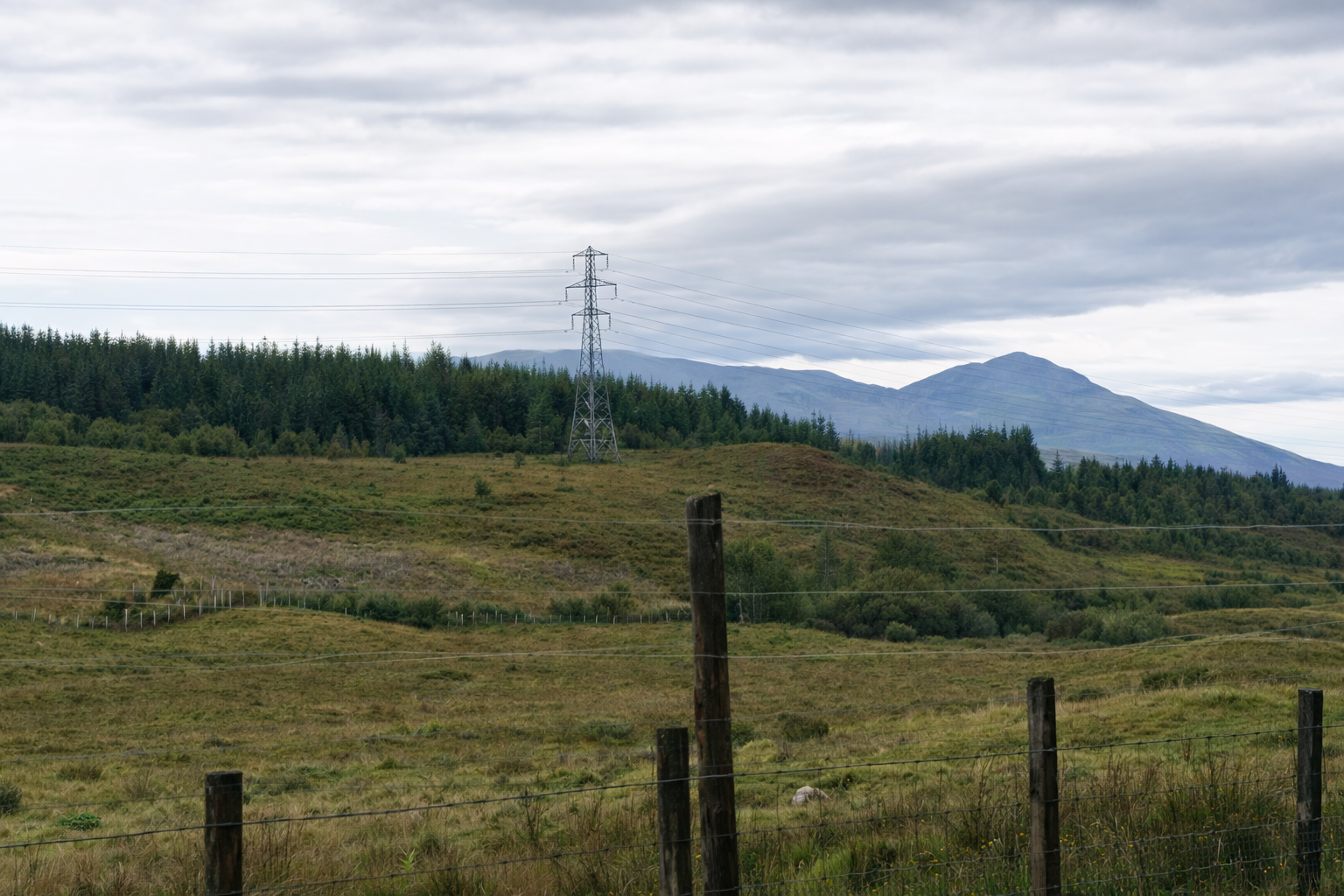
Addressing climate change requires long term action, but it must be done in a way that is fair to the Highlands. Most of this country’s energy is generated in the north of Perth while most of it is consumed south, yet Highland communities often see little local benefit while facing some of the highest energy costs. Local concerns about major energy infrastructure are frequently overlooked in decision making, and there is a need for a fairer approach that properly recognises community impact, delivers meaningful local benefit and ensures that those who host infrastructure are not left at a disadvantage.
Reliable digital connectivity is also essential for modern rural life, supporting work, education, healthcare access and local business. Many areas in the ward still experience poor broadband and mobile coverage. While network upgrades are necessary, they should be delivered in a way that respects the landscape and the practical realities of Highland weather, with underground solutions used wherever feasible. The priority should be high quality connectivity that works for rural communities without placing unnecessary burdens on them.

-
I believe healthcare and social care must be a top priority for the Highlands.
We are facing a growing social care crisis, with too few care home places available for older and vulnerable residents. Too often, people who are medically fit to leave hospital remain on wards because there is no suitable care setting available. That puts additional pressure on our hospitals and, more importantly, is not the right outcome for patients who deserve dignity and support in the most appropriate environment.
This issue is personal to me. My grandfather spent months in Raigmore Hospital because there was no suitable care provision available closer to home. I saw first hand the impact that had on him and on our family. No one should have to stay in hospital longer than necessary because the care they need is unavailable in their own community.
More widely, many people across the ward struggle to access healthcare in the first place. Appointments can be difficult to secure, and long travel distances make it harder for people to attend them, particularly if they do not have reliable transport. Healthcare planning must recognise the realities of rural Highland life. A one-size-fits-all approach simply does not work for our communities.
I will continue to press for fairer healthcare, stronger local services and greater investment in social care, so that people can access the support they need, when they need it, as close to home as possible.
-
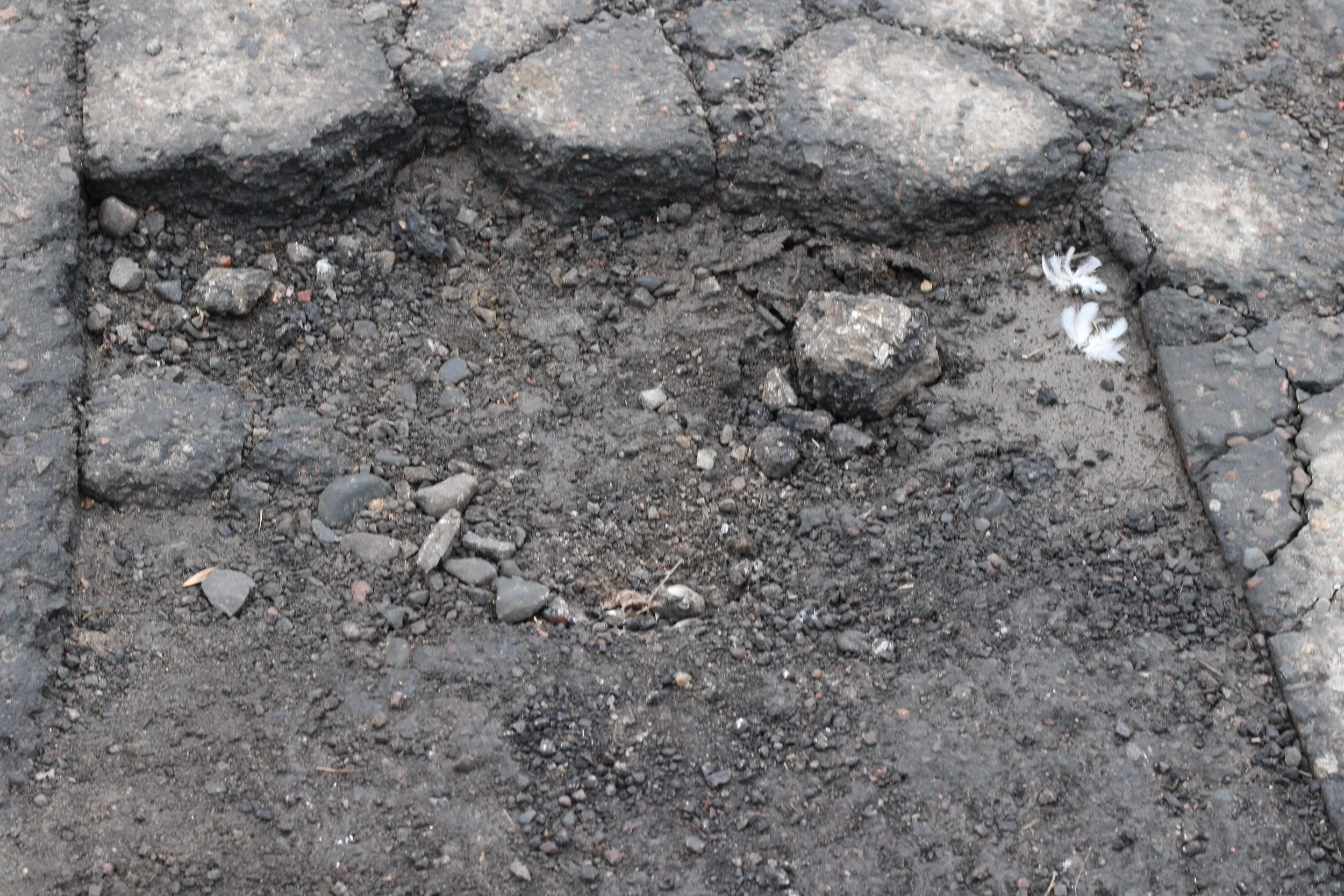
Safe and reliable roads are essential for daily life in a rural ward like Wester Ross, Strathpeffer and Lochalsh, yet too many routes are in a poor and deteriorating condition. In February 2026, the SNP led administration on Highland Council voted down proposals to increase roads spending, a decision that has serious consequences for communities that depend on long journeys for work, healthcare and education. The impact is felt particularly strongly in this ward, where alternatives are limited and road safety is critical.
Routes such as the A890 between Strathcarron and Kyle are widely regarded as dangerous, with narrow stretches, poor surfaces and limited visibility deterring both residents and visitors. Across the ward, potholes, uneven carriageways, faded or missing road markings and a lack of safe roadside parking create daily hazards. Road users often have little choice but to stop in passing places, leading to congestion and additional risk.
Investment is needed to improve road surfaces, signage, drainage and parking provision, ensuring that the network is safe, resilient and fit for the communities and economy it serves.
-
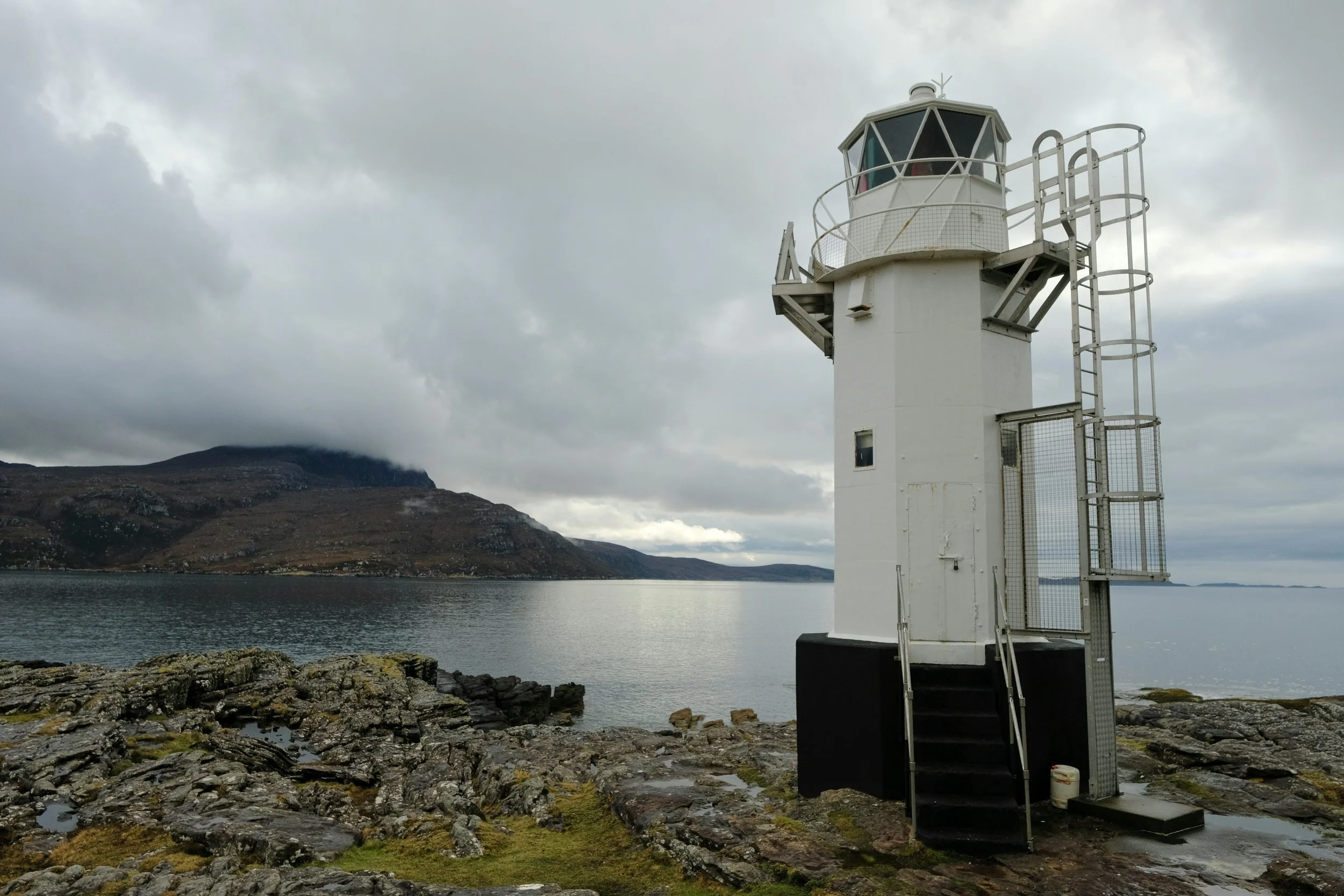
Wester Ross, Strathpeffer and Lochalsh does not receive a level of funding that reflects its size, geography and the real cost of delivering services across a large rural area. While some investment has reached the ward, it has not kept pace with what is required to maintain roads, school buildings and essential public services in dispersed communities.
At the same time, the area makes a significant contribution to the Highland economy through tourism and the introduction of short term let regulations, yet local communities often see little of that return in practical improvements. The proposed visitor levy has the potential to generate additional income, but there are real concerns that it may not be directed towards the infrastructure and services that tourism places pressure on in rural areas.
Fair funding must recognise both the challenges of rural delivery and the economic contribution the ward makes. Greater investment is needed so that roads, schools and local services receive the support required and communities see tangible benefit from the revenue generated in their area.
-
The Highlands has one of the largest school estates in Scotland, but many buildings are ageing and are not being maintained to the standard that pupils and staff deserve. Too many schools face issues such as cold and damp classrooms, deteriorating fabric and facilities that are no longer suited to modern learning. The focus must not only be on education outcomes but also on the condition of the buildings in which learning takes place.
Children should not be expected to learn in environments that are uncomfortable or poorly maintained. Greater investment is needed to repair and upgrade school buildings, improve heating and insulation, and ensure that facilities are safe, warm and fit for purpose for the long term.
I attended Lochcarron Primary School and understand first hand what local schools mean to their communities. Teachers and support staff across the Highlands do a remarkable job, but they should not have to work in conditions that make their roles harder. Improving the school estate is essential for both pupils and the staff who support them every day.
-
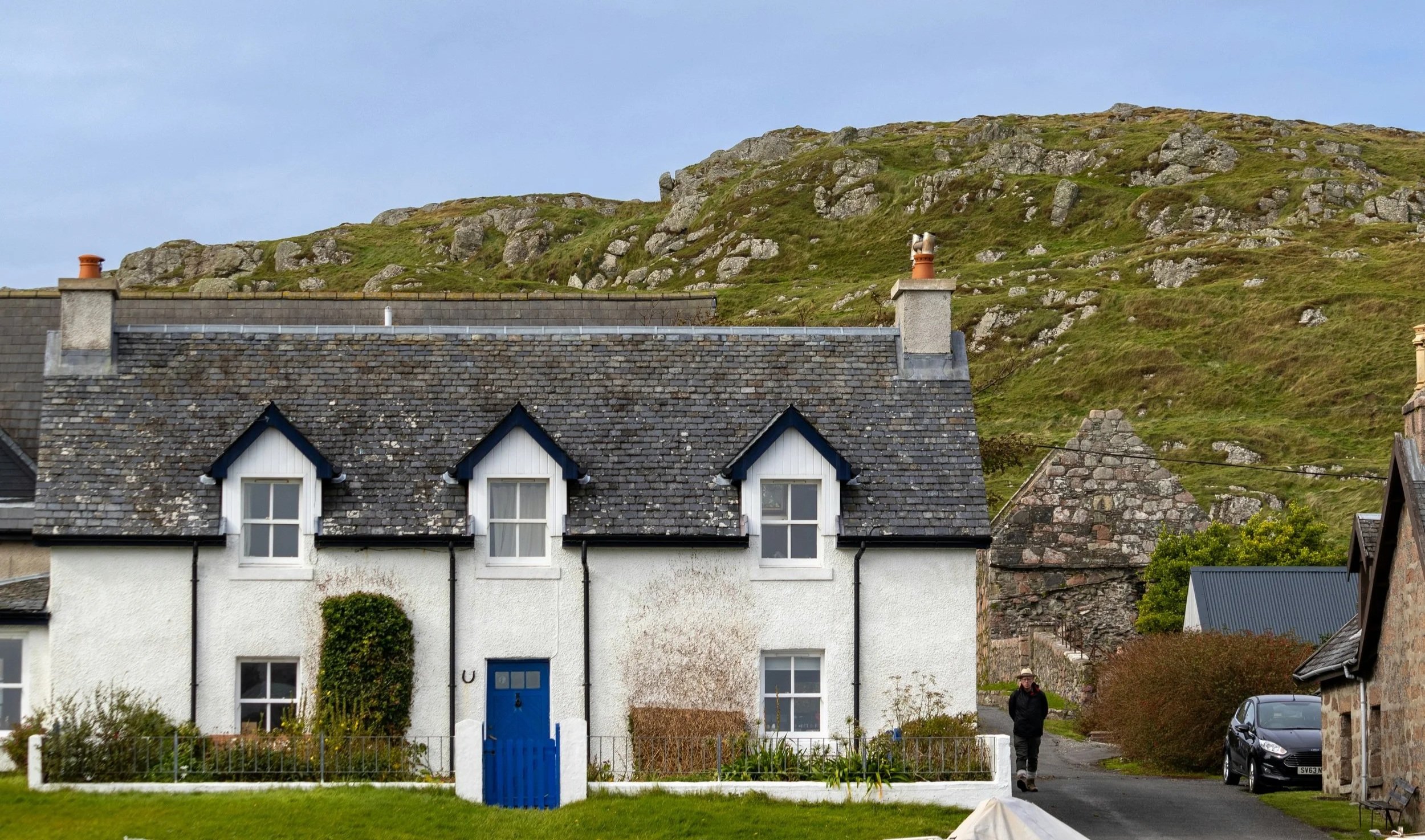
Depopulation remains a real challenge across the Highlands, and supporting families to live and work locally is essential to sustaining our communities. For that to happen, there must be a supply of housing that is affordable, available and suited to local need. Too often, people who grow up in the area are unable to find a home they can afford, while key workers struggle to secure housing close to their jobs.
Housing policy must support year round communities, not hollow them out. That means increasing the delivery of affordable homes, making better use of existing housing stock and ensuring that new developments reflect the needs of local people. Good quality housing is also vital for attracting and retaining workers in healthcare, education, care and other essential services.
Wester Ross, Strathpeffer and Lochalsh needs housing that works for everyone, from young families and first time buyers to older residents looking to remain in their communities. Without this, it becomes harder to sustain local services, schools and businesses for the long term.